
Early childhood is the foundation of human development. During the first years of life, children construct the fundamental capacities that will shape the rest of their lives. These include the ability to concentrate, to think, to communicate, to relate to others, and to engage meaningfully with the world.
Across Nigeria, thousands of young children enter classrooms every day during the most formative years of their lives. In these years, the foundations of the human personality are laid. The child’s relationship to learning, independence, order, other people, and ultimately to the world itself is being formed.
Yet the adults entrusted with these years are often expected to work without the preparation required to truly understand the child.
Early childhood education has, for too long, been left to chance.
Schools are opened, classrooms are furnished, and young children are gathered together under the supervision of adults who may be well meaning but who have received little or no serious preparation in child development. In many environments, early childhood education is treated as little more than supervision, entertainment, or premature academic instruction.
The early years are not a waiting room for real education.
They are the most decisive years of human development.
The child cannot wait.
The responsibility placed on the adults who care for young children has never been greater. Many children today are growing up with less consistent adult presence than previous generations. Work demands, digital engagement, and the pace of daily life often limit the depth of attention available to the child.
This is not a criticism of parents. It is a recognition of the reality of the world we now inhabit.
It does mean, however, that the role of the early childhood educator has become even more critical.
Where the child once learned through extended family and close community life, the early childhood environment now carries greater responsibility. The adult who prepares the classroom, observes the child, and guides the daily life of the environment plays a decisive role in shaping development.
And yet, across Nigeria and much of Africa, there remains a profound shortage of adults who have been intentionally prepared for this work.
We do not simply need more teachers.
We need educators who understand the child.
We need adults who recognise that early childhood education is not merely a profession but a responsibility that requires seriousness, humility, discipline, and deep respect for the developmental needs of the child.
This work cannot be carried out by chance, and it cannot be sustained by good intentions alone.
It requires preparation.
It requires study.
It requires formation.
This is where the Montessori approach offers something essential.
Montessori education begins with the scientific study of the child. It recognises that children pass through identifiable stages of development and that education must be built upon an understanding of those stages.
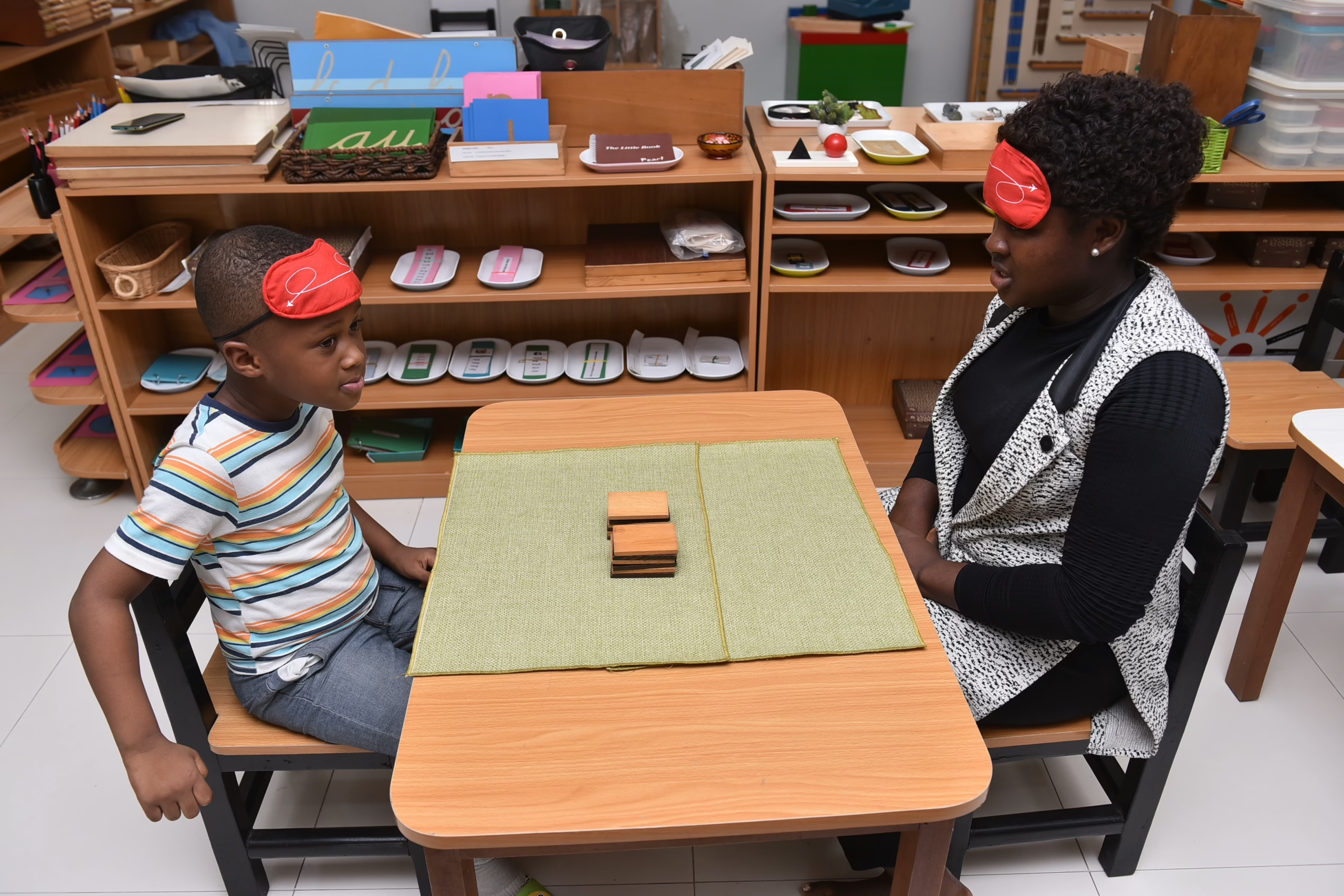
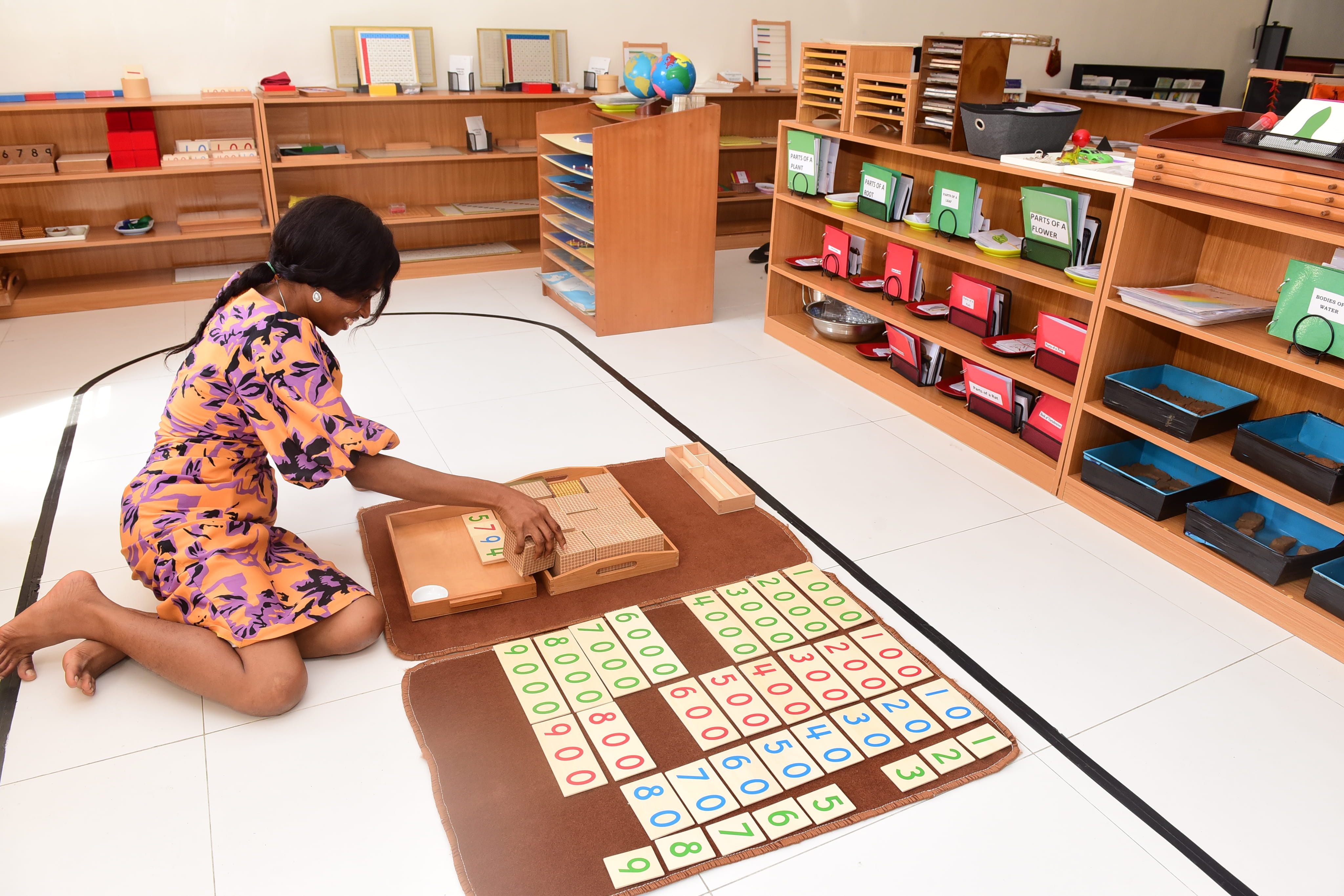
In the Montessori environment, the adult does not simply teach lessons. The adult prepares the environment, observes the child carefully, and introduces materials at the moment the child is ready to receive them.
This work demands a level of preparation beyond general teacher training. It requires a deep understanding of child development, disciplined observation, precise presentation, and a thoughtful approach to the preparation of the learning environment.
The result is an approach to education that respects the dignity, independence, and natural developmental rhythm of the child.
Nigeria and Africa now stand at a moment where such preparation is urgently needed.
If we are serious about the future of education in this region, we must begin with the child. And if we begin with the child, we must recognise that the preparation of the adult is the most critical element of all.
The child cannot wait.
The question is whether we are willing to prepare the adults who will guide them.
Across Nigeria and Africa, the demand for meaningful early childhood education continues to grow. Yet without the careful preparation of the adults who guide these environments, that promise will remain unfulfilled.
Preparing educators who understand the science of the child, who approach their work with discipline and humility, and who are willing to dedicate themselves to the work of human development is no small task. It requires serious study, practical training, and a deep commitment to the child.
For those willing to take on this work, the path begins with the preparation of the adult.